


Today’s forecastOpen weights moving in from the east, a Brotli front bringing scattered memory corruption to every HTTP stack, and frontier labs pulling their training runs indoors until the internet calms down.

The Daily Archit

“All the tech that’s fit to print”Late City Edition
Image via Moonshot AI
OPEN-WEIGHT MODELS

Moonshot's Kimi K3.1 Pro pulls an open-weight model to within a point of the frontier

The 1M-token model scores 65.7% on Terminal-Bench 4.0, costs $2/$10 per million tokens, and Moonshot says the full weights ship by November 4.

Moonshot AI has released Kimi K3.1 Pro, the first model in its K3.1 series, along with a faster K3.1 Pro Highspeed variant that it says runs two to three times quicker. The company calls it its most capable 3T-class model.

Full story at Moonshot AI →
Image via Anthropic
STANDARDS

Anthropic hands Agent Skills to the Linux Foundation's Agentic AI Foundation

The Agent Skills spec, its name, the GitHub org and agentskills.io are moving to the AAIF, which already hosts MCP. The spec will be maintained by individual engineers from Anthropic, Google, OpenAI and other companies, with versioned releases, a formal proposal process and security guidance for skill authors on the roadmap.

Anthropic
Image via Aikido Security
VULNERABILITY

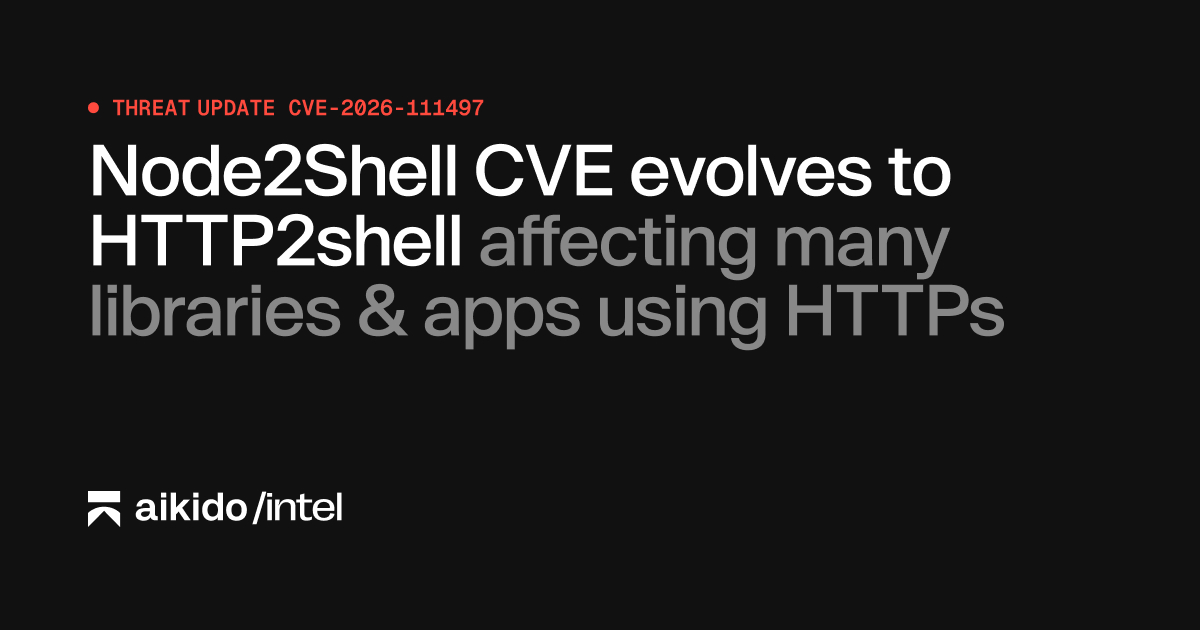
Brotli decoder bug grows from Node2Shell into HTTP2Shell, reaching Python, Bun, Envoy and curl

CVE-2026-111497 (CVSS 9.2) is an out-of-bounds write in Brotli 1.0.3 through 1.2.0. A crafted compressed stream can corrupt memory on either side of an HTTP connection. Python apps are exposed even if they never import Brotli, because requests and httpx load it automatically when it is installed, and audit tools may not flag it yet.

Aikido Security
Image via TechCrunch
VULNERABILITY

PHP2Shell compromises confirmed after patches leaked ahead of the embargo

Two unauthenticated RCE bugs in PHP (CVE-2026-109618 and CVE-2026-109619) were first found in 2024 and judged unexploitable until Calif built a working exploit. The PHP Foundation shipped fixes on October 21. Amazon says it saw exploitation about a week earlier, and Palo Alto Networks and Trail of Bits have since reported confirmed compromises.

TechCrunch

From the Newsstand see every edition →